Tree inspections in Hammersmith
If you own, manage, or care for trees in West London, Tree inspections in Hammersmith are one of the most practical ways to protect people, property, and the trees themselves. Whether you’re responsible for a small front garden tree in a terraced street, a mature specimen in a shared courtyard, or a line of trees serving a commercial premises, a careful inspection helps you understand what is happening before a problem becomes urgent. In an area like Hammersmith, where mature streets, busy roads, schools, flats, business units, and riverside spaces all sit close together, tree care needs to be responsive, local, and informed by the surroundings.
A proper tree inspection is not just about looking for obvious decay or broken branches. It is about understanding tree health, structure, stability, defects, recent changes, and the site conditions around the tree. That might include paving pressure, compacted soil, limited rooting space, construction impact, pruning history, or even how the tree interacts with neighbouring buildings and foot traffic. For residents and property managers in Hammersmith, having a qualified team assess those factors can make day-to-day decisions much easier.
From planned maintenance to urgent concerns after wind or heavy rain, tree inspection services are useful for homeowners, landlords, estates, schools, housing associations, and commercial sites. If you need peace of mind, support with a tree that looks different from before, or written information to help you decide what to do next, a local inspection service is a sensible first step. Contact us today to arrange a visit or request a free quote for tree inspections tailored to your Hammersmith property.
Why tree inspections matter in Hammersmith

Hammersmith has a mix of older housing, apartment blocks, riverside developments, civic spaces, and commercial frontages, and each setting brings different tree-related pressures. Trees in built-up areas are often exposed to restricted rooting areas, underground services, footpath wear, repeated pruning, and occasional construction activity. Over time, these factors can affect a tree’s condition in ways that are not always easy to spot without a proper inspection.
One of the most common reasons people ask for tree inspections in Hammersmith is concern about safety. A tree may appear healthy from a distance, yet still have hidden structural issues such as weak forks, cracks, deadwood, root disturbance, or decay. In busy local settings, even a relatively small defect can matter if the tree is close to a pavement, driveway, balcony, play area, or parking bay.
Inspections also help people make informed choices about routine care. Not every tree needs work, and not every defect means removal. In many cases, the outcome is simply reassurance, monitoring, or light pruning. That kind of practical advice is especially valuable for local customers who want to care for their trees properly without carrying out unnecessary work.
Common reasons people book an inspection
- A branch has broken, split, or started hanging after wind
- The tree has developed a lean, crack, or uneven canopy
- Leaves are sparse, discoloured, or dropping earlier than expected
- There are signs of fungus, cavities, or dead sections
- Roots are lifting paving, edging, or nearby surfaces
- A tree is close to a house, fence, garage, or commercial walkway
- You need an independent opinion before arranging work
What tree inspections include

A well-run inspection should be practical, clear, and focused on the actual tree and the space around it. The exact approach may vary depending on whether the tree is a young ornamental specimen, a mature garden tree, a street-facing tree, or a larger tree with visible concerns. The aim is to identify what is happening, assess whether action is needed, and explain the next steps in plain language.
During tree inspections, a surveyor or arboricultural specialist will usually look at the tree’s overall shape, trunk condition, branch attachment, canopy balance, signs of stress, and any evidence of defects. They will also consider the site: how close the tree is to buildings, whether the roots are constrained, whether the soil is compacted, and whether there are signs that the tree has been affected by previous work or changes nearby.
For many property owners, a useful inspection is one that answers a few key questions: Is the tree safe at present? Does it need monitoring? Is any work recommended now? Are there signs of disease, instability, or decline? Could the issue be managed with pruning rather than more invasive work? Those answers help you move forward with confidence.
Typical points assessed
- Trunk condition and visible decay
- Deadwood, broken limbs, and hanging branches
- Cracks, splits, included bark, and weak junctions
- Root flare, lifting, heave, and surface disturbance
- Fungal growth and other signs of internal decay
- Canopy density, dieback, and growth pattern
- Evidence of pests, disease, or environmental stress
In some cases, the inspection may also recommend further observation or a more detailed assessment if there are signs that need closer investigation. That is often the most responsible approach, especially where a tree is significant, close to a target area, or part of a managed property portfolio.
Tree inspections for homes, landlords, and commercial properties

Hammersmith is home to a wide range of property types, and each one can create different needs for tree inspections. A family home with a front or rear garden may need a periodic check to stay ahead of overhanging branches, root spread, or storm damage. A block of flats may need inspections for shared courtyard trees, boundary trees, or trees close to entrances and parking areas. Commercial properties often need a more regular approach because trees can affect public access, signage visibility, customer areas, and the safety of staff and visitors.
Tree inspections in Hammersmith are particularly useful where multiple people rely on the same outdoor space. Managing agents, freeholders, resident associations, and business owners often need a clear record of what has been checked and why certain recommendations were made. An inspection provides that reassurance and can help you plan maintenance in a sensible order.
For local businesses, tree concerns can appear at inconvenient times. A branch may block a path to a shop, a tree may shade a loading area, or fallen debris may create a slip risk near an entrance. In those situations, a responsive local team is useful because they understand the pace of busy West London properties and can assess the issue without unnecessary delay.
Property types we often help with
- Terraced houses and mews-style properties
- Apartment blocks and shared gardens
- Riverside and mixed-use developments
- Office courtyards and business premises
- Schools, nurseries, and community spaces
- Managed estates and housing stock
Where trees are close to neighbouring boundaries, good communication matters too. An inspection can support conversations between neighbours by giving a practical view of the tree’s condition and any suggested action. That can reduce uncertainty and make it easier to decide on the most appropriate next step.
How our tree inspection process works
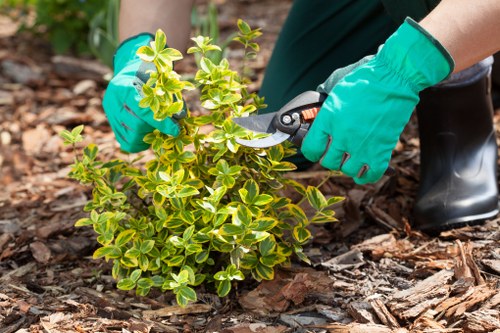
People often want to know what happens on the day. A tree inspection should be straightforward, tidy, and focused on giving you useful information. The process usually begins with understanding why you want the inspection in the first place. It could be because of a visible defect, a change in the tree’s condition, a concern raised by a neighbour, or a general desire to keep on top of property maintenance.
Once on site, the inspection normally starts with a ground-level assessment. This means looking at the full tree from a safe vantage point, checking the canopy, trunk, base, and surrounding area. The inspector will observe structural features, visible symptoms, and any signs that the tree is responding poorly to its environment. In urban areas like Hammersmith, the nearby context is often just as important as the tree itself.
After the inspection, you should receive clear feedback on the condition of the tree and any recommended actions. That might include a pruning suggestion, monitoring advice, a further assessment if needed, or work to address deadwood, clearance, or more specific defects. The point is not to overcomplicate matters; it is to help you make the next decision with confidence.
What you can expect from the visit
- Initial discussion about your concerns and property type
- Visual inspection of the tree and surrounding area
- Assessment of stability, defects, and general condition
- Plain-English explanation of what was found
- Practical advice on next steps and priorities
For many local customers, this kind of process is reassuring because it is efficient without being rushed. You are not left guessing what the inspection means, and you are not pressured into work that does not seem necessary. The focus is on the tree, the site, and your priorities.
Signs that a tree should be inspected soon

Some tree issues can wait for routine planning, while others need attention more quickly. If you notice changes in the tree’s shape or appearance, it is worth arranging an inspection rather than assuming the issue will settle on its own. Trees can respond to stress gradually, and visible symptoms may be the first sign that something more is going on underneath.
In Hammersmith, where many trees are growing near hard surfaces and frequent foot traffic, small changes can become important sooner than people expect. A cracked limb over a pathway, a leaning trunk near a boundary, or a tree that has started shedding large amounts of deadwood can all justify a professional assessment.
It is also wise to be proactive after severe weather. Strong winds, prolonged rain, saturated ground, or sudden temperature changes can all affect a tree’s stability. Even if there is no obvious damage, an inspection can help confirm whether the tree is still performing as expected.
Look out for these warning signs
- Sudden or progressive leaning
- Fresh cracks in the trunk or branches
- Large fallen limbs or repeated branch drop
- Fungal brackets at the base or on the trunk
- Reduced leaf cover or dieback in parts of the crown
- Soil movement, root lifting, or heave around the base
- Movement at the tree’s attachment points
Do not wait too long if the tree is close to a road, building, entrance, or shared space. A quick inspection can often prevent a more stressful situation later and may help you decide whether immediate action is needed.
Local knowledge matters in Hammersmith
Choosing a local team for tree inspections in Hammersmith has clear advantages. Local knowledge means understanding how the area’s built environment can affect tree behaviour. Mature streets, narrow access routes, basement lightwells, shared gardens, and heavily used pavements all create unique inspection challenges. A local specialist is more likely to understand those constraints without needing a long explanation.
Hammersmith also connects to nearby places such as Shepherd’s Bush, Fulham, Brook Green, Barons Court, Chiswick, Kensington, and parts of West Kensington. Trees in these areas often face similar pressures, from restricted urban planting pits to boundary disputes and ongoing maintenance requirements. If your property sits near these neighbourhoods, a local team can usually respond with a practical approach that suits the area.
There is also a benefit in knowing how to work around local access and parking limitations. In many parts of Hammersmith, vehicle access can be tight, and that matters when arranging inspections at residential blocks, commercial courtyards, or streets with limited waiting space. A local company is more likely to plan the visit efficiently and keep disruption to a minimum.
That kind of awareness is valuable for customers who want a smooth service experience. You want the inspection carried out with care, but you also want it to fit around the realities of the site. A local team can often offer more convenient scheduling and a more informed view of what is practical.
Why local experience helps
- Better understanding of urban tree constraints
- More practical awareness of access and parking conditions
- Useful familiarity with common property layouts
- Quicker response for urgent concerns
- Advice shaped around local maintenance needs
What affects the cost of an inspection?
People often ask what tree inspections cost, and the honest answer is that it depends on several factors. Rather than fixed assumptions, a sensible quote takes into account the tree, the site, the access conditions, and the level of detail required. The aim is to recommend the right inspection for the actual situation rather than offering a one-size-fits-all approach.
Simple visual inspections for a small number of trees may be more straightforward than assessments involving larger mature trees, multiple specimens, or difficult access. Similarly, a site with tight access, restricted parking, or shared responsibilities can take more planning than a private garden with easy entry. The more complex the environment, the more detail may be needed in the inspection process.
Other factors may include whether the tree has visible defects, whether there is a specific safety concern, whether written notes or records are needed for a managing agent or business, and whether follow-up work will likely be required. If the tree is near buildings, public areas, or busy walkways, the need for a careful assessment may also influence the approach.
Typical pricing factors include
- Number of trees to be inspected
- Tree size, age, and complexity
- Access limitations and site conditions
- Level of detail required in the report or advice
- Urgency of the visit
- Whether further investigation is needed
If you are comparing providers, look for clear explanations rather than vague promises. A straightforward quote based on your actual tree and property type is usually the most helpful starting point. Request a free quote if you want a local Hammersmith assessment tailored to your needs.
How to prepare for a tree inspection
Preparation does not need to be complicated. A few simple steps can help the visit go smoothly and ensure the inspector can assess the tree without avoidable delays. If you have noticed a problem, it helps to note when it started, whether it has changed, and whether it appeared after weather, nearby works, or pruning.
In Hammersmith, practical access is often the biggest consideration. Shared driveways, gated entrances, residents’ parking, and limited street space can all affect how a visit is arranged. If access requires a code, a gate to be opened, or coordination with building staff, it is worth making that clear in advance.
You do not need to prune the tree or attempt any cleanup before the inspection unless specifically advised to do so. In fact, keeping the site as it is can sometimes help the inspector see the issue more clearly. The main goal is to allow a calm, accurate assessment.
Helpful preparation checklist
- Make a note of any visible changes or recent incidents
- Clear the area if safe and practical to do so
- Arrange access for gardens, courtyards, or communal spaces
- Share any relevant history, such as previous work or storms
- Highlight boundaries, shared responsibility, or neighbour concerns
If you are a landlord or managing agent, it can also help to have site records ready, especially where the tree has previously been monitored. That makes it easier to compare conditions over time and decide on the most appropriate action.
What happens after the inspection?
After the inspection, the next step depends on what was found. Sometimes the result is reassurance: the tree is stable, healthy enough, and suitable for routine monitoring. In other cases, the findings may point toward pruning, deadwood removal, further investigation, or a more detailed assessment if a defect needs closer attention. The important thing is that the outcome is practical and easy to understand.
For many customers, the best result is a clear plan. That may mean carrying out a small amount of work now and keeping the tree under review, or it may mean scheduling maintenance for a later date. Either way, the inspection helps you avoid guesswork and supports better long-term care.
If the tree is part of a larger site, the inspection can also help with prioritising work. For example, you may have several trees across a property, but only one needs urgent attention. In commercial or managed settings, that kind of prioritisation can save time, reduce disruption, and help you focus budgets where they are most needed.
Book your service now if you want a clear, local view of your tree’s condition and sensible next steps based on real site conditions.
Why choose a local company for tree inspections in Hammersmith?
When you are dealing with a possible tree problem, it helps to work with a company that understands the local area and can respond with practical advice. A local provider is more likely to be familiar with the mix of houses, estates, commercial properties, and riverside spaces found across Hammersmith. That matters because the same tree can present different issues depending on where it sits.
Local teams are also more likely to appreciate the pace of West London life. You may need an inspection quickly before arranging other works, or you may be trying to fit a visit into a busy managed property schedule. A company that regularly works in the area can usually plan more efficiently and communicate in a way that suits local property owners and managers.
Another advantage is the ability to support repeated monitoring. Some trees do not need immediate action, but they do need periodic checks. A local service makes that easier because the same team can revisit the property, compare changes, and advise on whether conditions are improving, stable, or declining.
Benefits of a local approach
- Better understanding of the Hammersmith urban landscape
- More responsive service for urgent or awkward situations
- Practical advice for homes, estates, and businesses
- Easier follow-up and ongoing monitoring
- Clear communication about what is needed and why
For customers who want reliability without unnecessary complexity, that local approach is often the difference between a stressful problem and a manageable one.
Areas covered around Hammersmith
Tree inspection work is often booked not only in Hammersmith itself but also in the surrounding neighbourhoods and nearby parts of West London. Because many property types and tree issues overlap across this part of the city, a local team can usually help with a wide range of nearby locations. That is especially useful if you manage multiple sites or own properties in more than one area.
Nearby locations commonly associated with Hammersmith tree work include Shepherd’s Bush, Brook Green, Fulham, Barons Court, West Kensington, Chiswick, Kensington, and neighbouring sections of West London. Each area brings its own access patterns, property layouts, and tree maintenance needs, from compact urban gardens to larger shared grounds and mixed-use developments.
Whether you are dealing with a single tree or several across different buildings, a local inspection service can help keep the process organised. That is important for property owners who want consistency and for managers who need clear information across more than one site.
Suitable for
- Private homeowners
- Landlords and letting agents
- Resident management companies
- Commercial property managers
- Schools and community organisations
- Housing providers and estate managers
Frequently asked questions
How often should trees be inspected?
That depends on the tree’s size, age, condition, and location. Trees close to buildings, roads, or shared spaces may need more regular attention than trees in lower-risk settings. If you are unsure, a local assessment can help you decide on a sensible interval.
Do I need an inspection if the tree looks healthy?
Not always, but it can still be worthwhile if the tree is mature, close to property, or part of a larger managed site. Some defects are not obvious from everyday view, and a professional inspection can provide reassurance.
Can you inspect trees after storm damage?
Yes. After strong winds or heavy rain, it is sensible to check for broken branches, movement, or root issues. If you are worried about immediate safety, arrange an inspection as soon as practical.
Will an inspection tell me whether a tree needs to come down?
It may indicate whether removal is necessary, but often the answer is less extreme. Many trees can be managed with pruning, monitoring, or targeted work. The inspection is there to help identify the most appropriate option.
Can inspections help with neighbour concerns?
Yes. If a neighbour has raised an issue about overhang, shade, falling debris, or perceived risk, an inspection can provide an informed, calm basis for deciding what to do next.
Do you inspect trees on commercial or shared sites?
Yes. Commercial and communal settings often benefit from inspections because they involve more people, more movement, and greater responsibility for managing hazards responsibly.
Ready to arrange tree inspections in Hammersmith?
If you are concerned about a tree, want a routine check, or need clear advice before planning work, now is a good time to arrange an inspection. The sooner a problem is assessed, the easier it is to understand what is really going on and what action, if any, is needed. For homes, businesses, and managed properties across the area, professional tree inspections in Hammersmith can provide practical reassurance and a clear way forward.
Whether your tree is in a small garden, a shared courtyard, a commercial frontage, or a larger estate setting, a local service can help you make informed decisions without unnecessary delay. Contact us today to discuss your needs, ask for a visit, or request a free quote for your property.
Book your service now and get a straightforward assessment from a local team that understands the realities of caring for trees in Hammersmith.